Coulson Concept Jamaica The Concept, “Why Jamaica”
Coulson Concept Jamaica — The Concept: Why Jamaica?
CCJ Studios began with a question: Why Jamaica? What started as an exploration of cultural stereotypes evolved into a broader investigation of identity, representation, and concept-driven design. This essay traces the origins of the studio and the philosophy that continues to shape its practice—that every meaningful project begins with a question, and that the concept always dictates the medium.
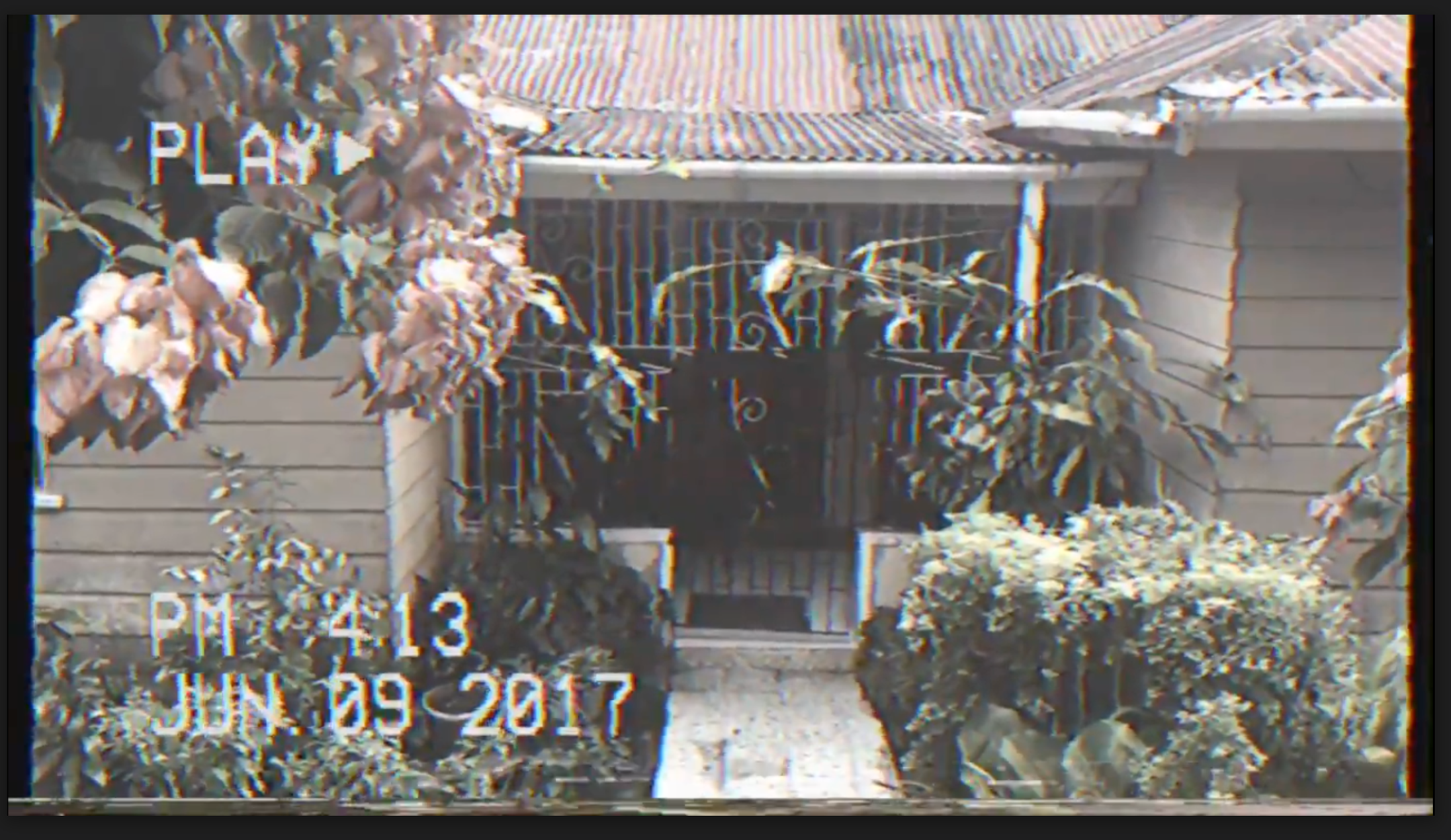
“Where it Began” Sabine Coulson’s childhood home, Fellowship District, Portland, Jamaica — June 9, 2017
Coulson Concept Jamaica began with a simple observation: despite Jamaica's global recognition, very little is understood about the country beyond a handful of familiar stereotypes. To begin I must first state that Jamaica is my home and where this journey began for me. The idea for Coulson Concept Jamaica first emerged while I was studying at Parsons School of Design during a core class centered on stereotypes and the ways they shape perception. We were challenged to consider how design could question or even transform those perceptions. I immediately thought of Jamaica. Whenever people asked where I was from, the response was often, "Really?" My appearance did not align with what many expected a Jamaican to look like. As a light-skinned Jamaican of African descent, I frequently encountered assumptions about my identity before anyone knew my story. Alongside that came the familiar clichés—that all Jamaicans smoke marijuana, listen to Bob Marley, or practice Rastafarianism. While Rastafarianism is an important part of Jamaican culture, it is only one part of a much larger story. Jamaica is home to people of African, Chinese, Indian, European, Lebanese, and many other ancestries. It is a country shaped by migration, colonialism, resilience, and cultural exchange. Yet these complexities are often overshadowed by simplified narratives. That realization became the foundation for what was originally called Stereotype Jamaica. The project was conceived as a platform that used textiles, prints, and clothing to educate through design. At the time, I believed fashion was the only medium available to me because I had studied fashion design. For a long time, I carried the belief that my degree defined the boundaries of my practice.
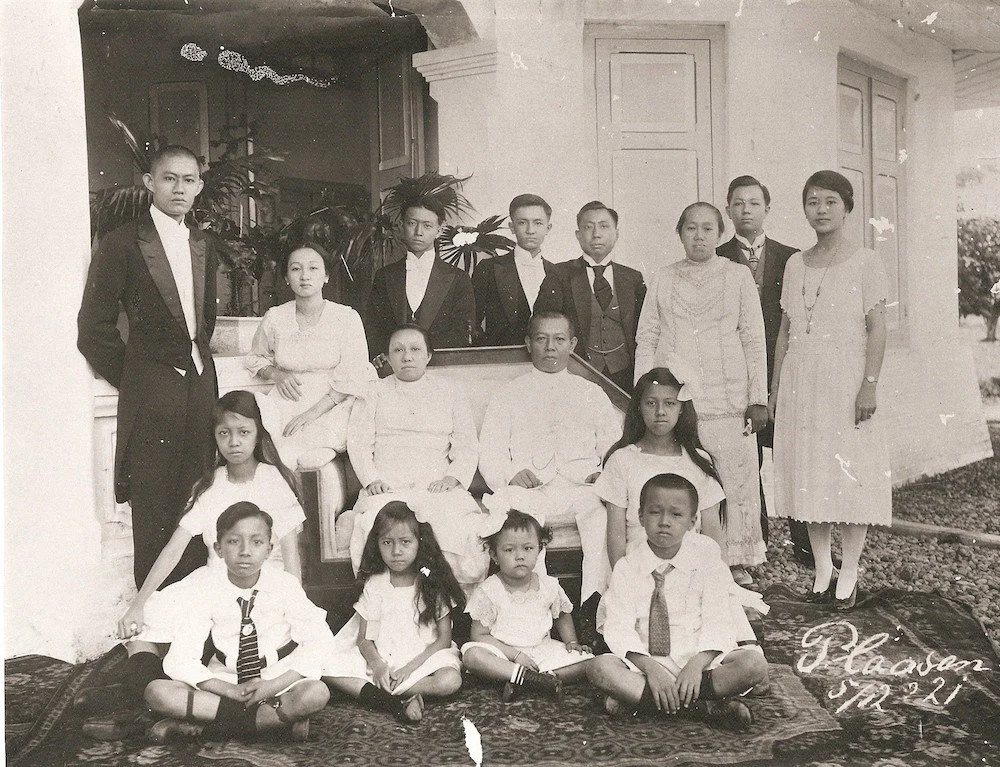
A momentary interlude from Stereotype Jamaica ...
Interlude — Chinese-Jamaican Migration
The majority of Chinese-Jamaicans are of Hakka descent, with migration beginning in the mid-19th century and continuing into the early 20th century. These arrivals occurred in successive waves shaped by colonial labor systems and family networks.
Early groups included approximately 400–500 laborers brought from Hong Kong and Panama under British labor schemes. This was followed by intra-Caribbean movement, as Chinese laborers already settled in Trinidad and British Guiana were relocated to Jamaica.
A further wave arrived directly from Hong Kong—around 680 laborers who undertook a two-month journey across the Pacific and Atlantic routes. These migrants were predominantly Hakka, originating from regions in and around present-day Shenzhen, including Dongguan, Huiyang, and Bao’an in Guangdong province. They established some of the earliest sustained Chinese communities on the island.
By the late 19th and early 20th centuries, migration became increasingly networked. Early settlers wrote back to their home villages, describing commercial opportunities and assisting relatives and fellow villagers with the journey. Through these chains of correspondence and return, Chinese-Jamaican communities continued to take root within the island’s evolving cultural landscape.
….. Out of many, One People.
Over time, that belief changed.
While at Parsons, I deliberately immersed myself in disciplines beyond apparel. I studied millinery, footwear, jewelry, fur and leather craftsmanship, finishing techniques, religion, and moments throughout art history. I spent time researching the collections and publications of the National Gallery of Jamaica. Rather than becoming attached to a single discipline, I became fascinated by something much more fundamental: concept development. I discovered that my greatest interest was never simply making garments. It was asking questions, building ideas, conducting research, and translating concepts into meaningful forms.
That shift fundamentally changed how I approached design.
Rather than beginning with an object—thinking, "I need to design a dress, so I need a concept"—I began with the concept itself. The research became the starting point, and the final medium revealed itself through the process. Sometimes a concept may become a garment. Other times it may become a publication, a film, an editorial, an exhibition, or something entirely unexpected. The concept dictates the materiality—not the other way around. As my thinking evolved, so did the purpose of the studio. I realized there were countless stories about Jamaica that deserved attention—not only its beauty, but also its contradictions, complexities, and even its shortcomings. I felt a responsibility to contribute to a broader understanding of the country through thoughtful research and design.
I was raised believing that knowledge is power. My education has given me the tools to investigate ideas, and with those tools comes a responsibility to share what I learn. CCJ Studios exists as a way of doing exactly that.
As the vision expanded beyond challenging stereotypes, Stereotype Jamaica no longer reflected the work. It evolved into Coulson Concept Jamaica, or CCJ Studios. The new name is less about correcting misconceptions and more about cultivating curiosity. My hope is that CCJ Studios becomes a place where people feel invited to learn, question, and discover. In many ways, I want the studio to embody the feeling Jamaica itself has always given me: one of openness, warmth, and welcome.